Is that faulty light switch a sign of hidden wiring problems?
A light switch that stops working is often brushed off as a minor annoyance. You flip it, nothing happens, and you figure the switch itself has worn out. In many cases that is exactly what has happened, and replacing the switch solves the problem. But sometimes a dead or intermittent switch points to something deeper inside the wall. Understanding the difference can save you from a much larger repair down the road.
Switches are simple devices. Inside, a metal tab makes contact with a terminal when you flip the toggle, completing the circuit so current can flow to the light. Over years of use that contact point can wear, the spring can weaken, or the internal mechanism can simply break. A straightforward swap takes a few minutes and restores normal operation. However, if you have already changed the switch and the problem returns, or if the switch feels hot, buzzes, or sparks, the issue may be in the wiring behind it rather than in the switch itself.
What a failed light switch can tell you
A switch that fails suddenly often gives a clue about the condition of the circuit. If the switch felt loose in the box or the wall plate was warm, those are signs that the connection between the switch and the wire may be compromised. Loose connections generate heat, and heat accelerates the deterioration of both the wire and the switch. Over time a loose connection can damage the insulation on the wire, leading to a short circuit or even an arc that creates a fire risk.
Another common sign is a switch that only works sometimes. You jiggle it and the light comes on, but let go and it goes dark. That intermittent behavior can be caused by worn internal contacts inside the switch, but it can also be caused by a wire that has pulled away from the terminal screw inside the box. When you move the switch you are momentarily re-establishing contact. That kind of loose connection does not get better on its own. It tends to get worse as the wire continues to flex and the terminal screw loses its grip.
When the switch is not the real problem
If you have already replaced the switch and the symptoms persist, the fault almost certainly lies in the wiring. A switch that continues to feel hot after replacement suggests that the heat is coming from the wire itself or from a poor connection at the splice inside the box. Sometimes the wire has been nicked during installation and has developed a weak spot that creates resistance. Resistance generates heat, and heat is what damages the switch over time.

Another scenario is a switch that controls an outlet or a receptacle that is also acting up. If a light switch operates a half-hot outlet and the outlet stops working reliably at the same time the switch acts up, the problem may be a shared connection that has loosened or corroded. In older homes the wiring in switch boxes can become brittle. The insulation cracks, the copper oxidizes, and the connection becomes unreliable. Replacing the switch alone does not fix the underlying wire condition.
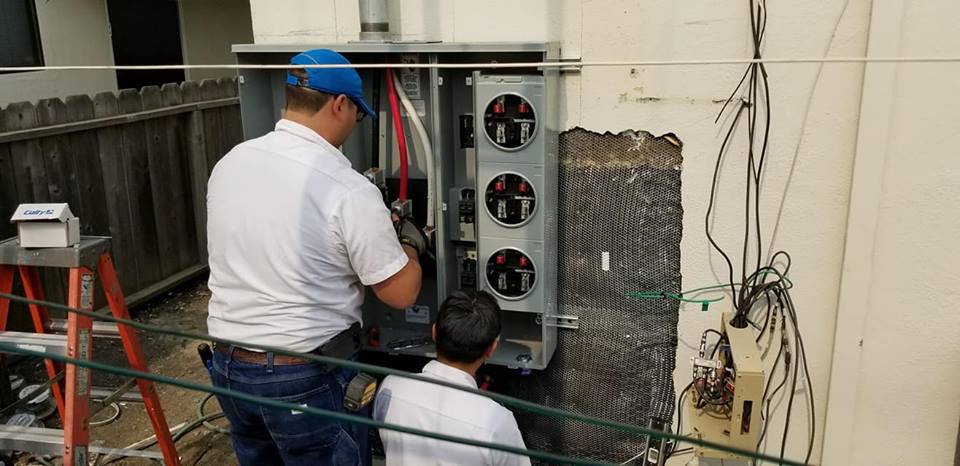
This is where professional receptacle troubleshooting becomes valuable. An experienced electrician can test the connection quality at the switch and at the receptacle, measure voltage drop, and inspect the condition of the wires without assuming the switch itself is the culprit. That kind of targeted diagnosis can identify a failing splice or a damaged wire before it causes a bigger problem.
How to tell if the wiring is the real issue
There are a few signs that point toward a wiring problem rather than a bad switch. First, if the switch plate is warm or hot to the touch even when the light is off, heat from a poor connection somewhere in the circuit is radiating through the metal. Second, if you hear a buzzing or crackling sound when you operate the switch, that is often the sound of arcing. Arcing happens when the current jumps a small gap instead of flowing through a solid connection. That gap can be inside the switch itself, but it can also be at the point where the wire joins the switch terminal. Third, if other lights or outlets on the same circuit flicker when you flip the switch, the problem is likely at a junction box or splice upstream.
If you notice any of these signs, do not keep using the switch. Turn off the circuit at the breaker panel and call a licensed electrician. The cost of a service call to diagnose the issue is far less than the cost of repairing a fire-damaged wall or replacing melted wiring.
The role of grounding and protective devices
A properly grounded system helps protect against the kind of heat buildup that loose connections create. The ground wire gives fault current a safe path back to the panel, which should trip the breaker quickly if something goes wrong. But a loose connection that does not create a dead short can still draw current and generate heat without tripping the breaker. That is why a warm switch plate is such a serious warning. The breaker may not have tripped because the circuit is still drawing power, but the connection is degrading.
Ground-fault circuit interrupters and arc-fault circuit interrupters offer additional layers of protection. A GFCI detects small leaks of current that could indicate a dangerous path through a person or through moisture. An AFCI detects the characteristic signature of an arc and shuts the circuit down before the arc can start a fire. If your home has these breakers and they trip repeatedly on the circuit serving the problem switch, that is strong evidence of a wiring fault that needs professional attention.
What to expect from a thorough inspection
When an electrician investigates a switch that keeps failing, they will first verify that the switch itself is rated for the load. A standard switch is rated for 15 amps at 120 volts. If the switch controls a load that draws close to that limit, the internal contacts can degrade faster, especially if the switch is a dimmer or a timer. Beyond the switch, the electrician will check the wire connections inside the box. They will look for signs of overheating, such as melted insulation or discolored copper. They will also check the condition of the splice connections if the switch box contains more than one wire.
If the problem appears to be deeper, the next step is to trace the circuit back to the panel. That might involve opening junction boxes along the path to inspect each connection. In older homes, a common finding is that wire nuts have loosened over time or that the wires were originally spliced with electrical tape alone, which does not hold up well. A thorough inspection by a professional can catch these weak points before they cause a failure.
This kind of diagnostic work is exactly what professional receptacle troubleshooting covers. It goes beyond swapping a device and looks at the entire circuit to find the root cause. That approach is more thorough and more reliable than replacing parts until one sticks.

Preventing future switch failures
Once the wiring is sound, a few simple habits can help switches last longer. Avoid using dimmers with bulbs that are not rated for dimming. Do not overload a switch by connecting it to a fixture that draws more current than the switch is rated for. And if a switch feels warm or makes noise, have it checked right away rather than waiting for it to fail completely. Regular attention to small warning signs keeps a minor issue from turning into a major wiring repair.
A failed light switch is usually a simple fix, but it can also be the first clue that something is wrong behind the wall. Knowing when to replace the switch and when to call an electrician makes all the difference. If the switch itself is the problem, a quick swap solves it. If the wiring is the problem, a professional diagnosis prevents a much larger headache later.